Introduction
In the dynamic landscape of business, effective risk management strategies are vital for safeguarding assets, ensuring compliance, and maintaining operational integrity. Among these strategies, licensing and insurance frequently emerge as two predominant methods that organizations can leverage to mitigate risks. This article delves into the intricacies of "Risk Management Strategies: Licensing vs Insurance" by exploring their definitions, benefits, drawbacks, and practical applications.
Understanding the distinction between being licensed bonded insured versus merely relying on insurance can be a game-changer for businesses seeking to enhance their risk management frameworks. Let’s explore these concepts in detail.
Understanding Risk Management
What is Risk Management?
Risk management refers to the systematic process of identifying, assessing, and prioritizing risks followed by coordinated efforts to minimize, monitor, and control the probability or impact of unfortunate events. Essentially, it’s about making informed decisions that will protect the organization from potential threats.
Importance of Risk Management
Risk management is crucial for several reasons:
- Protects Assets: It safeguards physical and intellectual properties from unforeseen incidents. Enhances Reputation: A robust risk management strategy fosters trust among clients and stakeholders. Ensures Compliance: Helps in adhering to laws and regulations. Improves Decision-Making: Facilitates informed choices based on comprehensive risk assessments.
Risk Management Strategies: Licensing vs Insurance
What is Licensing?
Licensing involves obtaining legal permission to operate a business or perform certain activities. It serves as a form of regulatory compliance that ensures businesses meet specific standards set forth by governing bodies.
Types of Licenses
Business License: Required to operate legally within a specific jurisdiction. Professional License: Necessary for specialized professions (e.g., doctors, lawyers). Occupational License: Pertains to specific trades or occupations (e.g., electricians).Benefits of Licensing
- Ensures credibility and enhances customer confidence. Protects consumers by enforcing industry standards. May provide access to government contracts or grants.
Drawbacks of Licensing
- Can be costly due to application fees and ongoing compliance costs. Requires time-consuming processes that may delay operations.
What is Insurance?
Insurance is a contractual agreement where an individual or entity pays premiums to an insurer in exchange for financial protection against specified losses or damages.
Types of Insurance
General Liability Insurance: Covers bodily injury and property damage claims. Professional Liability Insurance: Protects against claims arising from professional negligence. Workers' Compensation Insurance: Provides wage replacement and medical benefits for employees injured on the job.Benefits of Insurance
- Offers financial security against unforeseen events. Helps maintain business continuity after a loss. Can be tailored to meet specific needs through various coverage options.
Drawbacks of Insurance
- Premium costs can escalate based on claims history or changes in risk profile. Coverage limitations might leave gaps in protection.
Comparative Analysis: Licensing vs Insurance
| Aspect | Licensing | Insurance | |---------------------|-----------------------------------------------|--------------------------------------------------| | Purpose | Legal compliance | Financial protection | | Cost | Application fees; compliance expenses | Premium payments; deductibles | | Regulation | Governed by state/federal laws | Governed by insurance regulations | | Duration | Usually long-term (renewal required) | Periodic (annual) renewal | | Flexibility | Limited once established | Highly customizable |
Combining Licensing with Insurance
Why Combine Both?
While licensing ensures that businesses operate legally, insurance provides financial safety nets against various risks. Combining both strategies creates a comprehensive risk management approach.
1. Enhanced Credibility
Being licensed demonstrates professionalism while having insurance shows preparedness for unforeseen challenges.
2. Increased Consumer Confidence
Clients feel safer knowing a business has met regulatory requirements and has insurance coverage—this dual assurance can often lead to higher sales conversions.
Key Considerations When Implementing Risk Management Strategies
1. Assess Your Business Needs
Identify which risks are inherent in your operations—this will inform whether licensing, insurance, or both are necessary.
2. Research Regulations
Understand the licensing requirements pertinent to your industry and region—compliance is non-negotiable!
3. Evaluate Insurers
Select reputable insurers with strong customer service records who understand your industry-specific needs.
FAQs
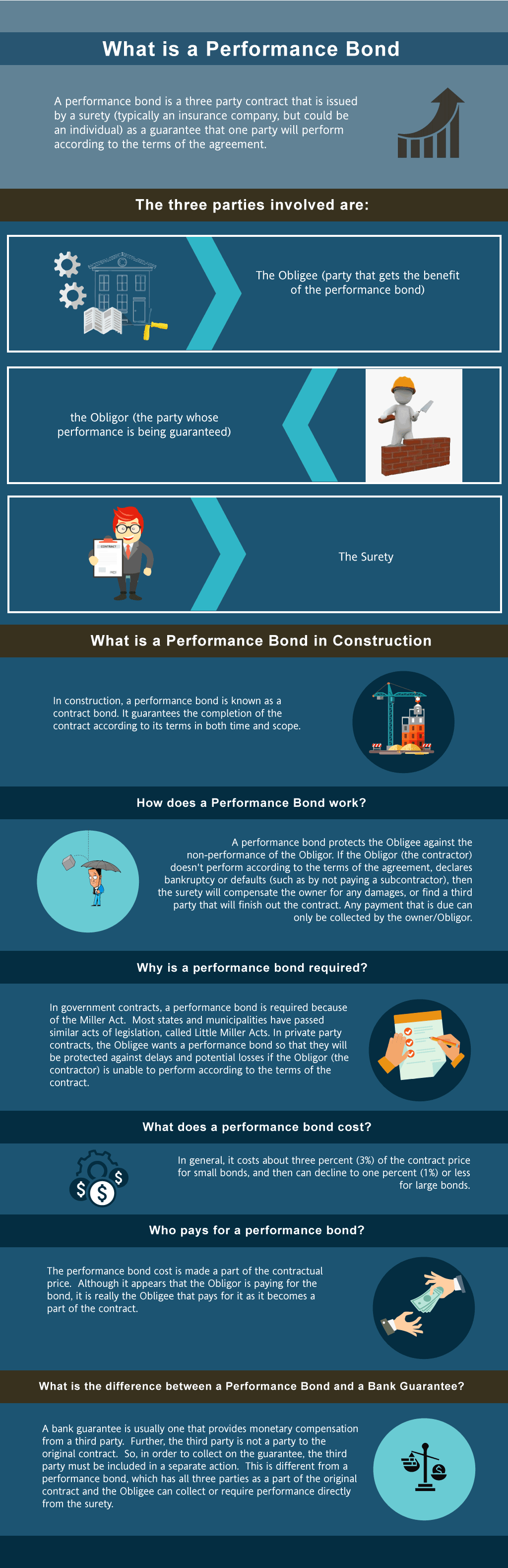
license and permit bondsQ1: What does it mean if a company is 'licensed bonded insured'?
A1: It means the company holds licenses required for operation, has bonds which offer additional consumer protection against incomplete work or defaults, and carries insurance policies protecting against various liabilities.
Q2: Is licensing mandatory for all businesses?
A2: Not all businesses require licenses; however, many industries have specific licensing requirements that must be adhered to avoid penalties.
Q3: Can I operate without insurance if I’m licensed?
Q4: How do I know what type of insurance I need?
A4: Consult with an insurance broker who specializes in your industry—they can help identify essential coverages tailored for your business model.
Q5: What happens if I let my license expire?
A5: Operating without an active license can result in fines or legal action—it’s critical to keep track of renewal dates!
Q6: How often should I review my risk management strategies?
A6: Regular reviews—ideally annually—are essential as market conditions change and new risks emerge.
Conclusion
Navigating the intricate world of risk management requires understanding various strategies like licensing and insurance. Both play significant roles but serve different purposes within an organization's framework. Being appropriately "licensed bonded insured" not only mitigates risks but also enhances credibility among clients—a vital component in sustaining success over time.
Whether you lean more towards one strategy over another depends largely on your unique operational needs; however, integrating both will undoubtedly fortify your defenses against potential license and permit bonds FAQ pitfalls in today’s unpredictable business environment.
In summary, taking proactive steps towards comprehensive risk management will place you ahead of competitors while providing peace of mind in an ever-evolving marketplace!